4 min read
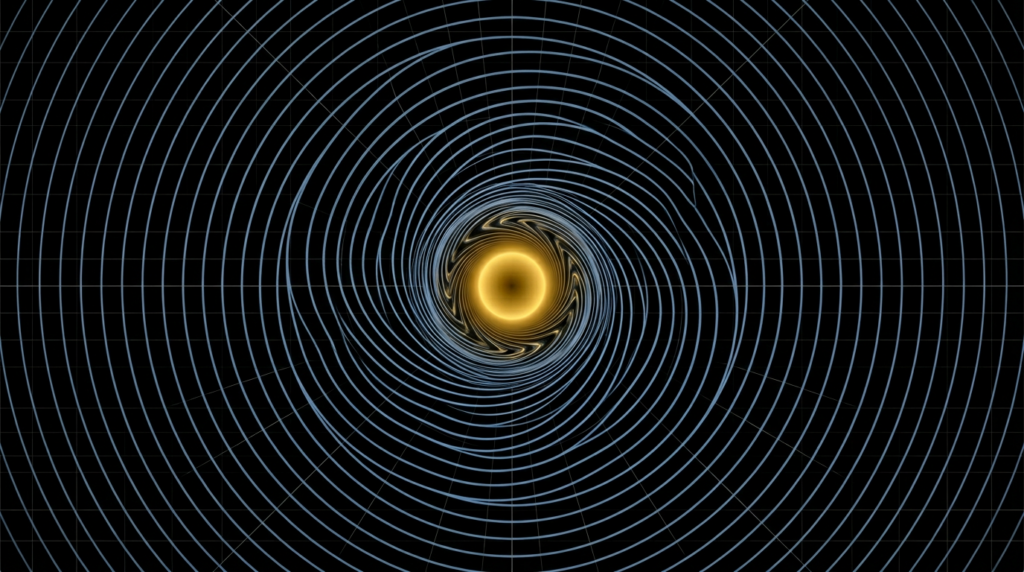
You took a half-day last week. When you returned, there were no fires. But there were seventeen things that didn’t move — not because they’re complex, but because they were waiting for you. Not your decision. Your presence. The difference between overworked and over-relied on changes everything about how you diagnose the pressure — and whether any solution you try will actually work. Overwork is a volume problem. Reliance is a position problem. And position doesn’t respond to any of the things volume does.
The Dependency You Can’t See on a Task List
Overwork is about how much is on your plate. Reliance is about how many plates break if you step away. Those are fundamentally different conditions, and they don’t respond to the same interventions.
You can reduce tasks and still feel overwhelmed. You can clear your inbox and still feel pressure. You can block your calendar and still feel like everything is waiting on you. The pressure isn’t coming from the number of tasks — it’s coming from the number of dependencies. How many things are paused until you look at them, uncertain until you decide, incomplete until you confirm.
That’s not workload. That’s operational reliance. You are not just participating in the operation. You are stabilizing it. The Reliability Tax™ is what you’re paying for that stabilization role: not in hours, but in the invisible weight of being the point everything routes through, the person everything waits for, the element the operation has stopped building around and started building on top of.
You know this feeling precisely. You take a half-day off. When you return, there are no fires. But there are seventeen things that didn’t move — not because they’re complex, but because they were waiting for you. Not your decision. Your presence.
The difference between overworked and over-relied on: one is about volume, the other is about position. Volume responds to better management. Position requires architectural change.
How Trust Concentrates Into Dependency
Reliance forms not through policy but through repetition. People trust your judgment. They value your input. They rely on your consistency. All of that is true. But trust, inside a loosely defined operation, doesn’t stay neutral. It concentrates.
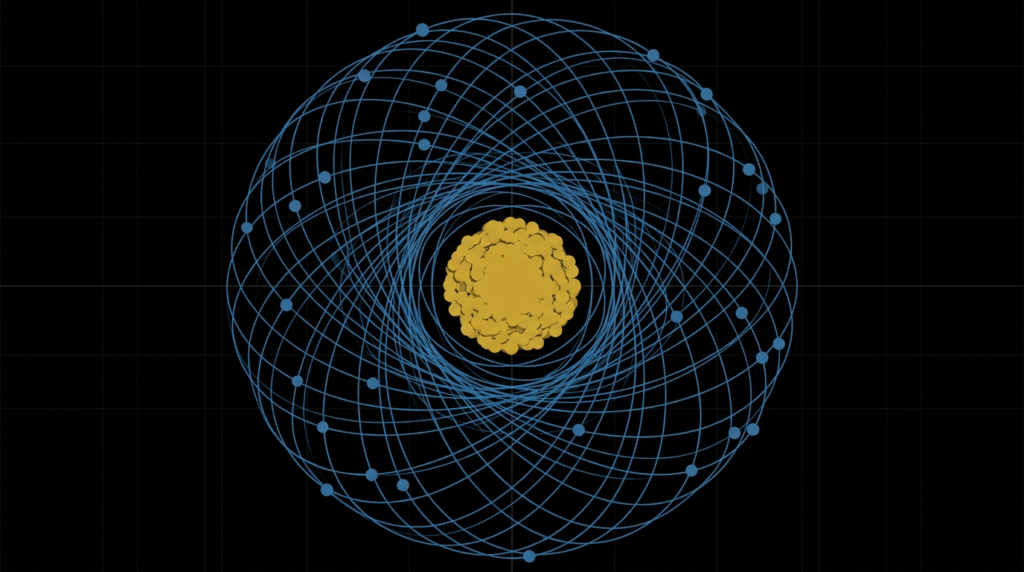
If something matters, send it to the person most likely to get it right. If something is unclear, route it to the person who won’t hesitate. If something is uncertain, defer to the person who reduces risk. Each decision makes sense in isolation. Together, they reshape the entire operation. Work doesn’t distribute evenly anymore. It orbits. And it orbits around you.
The better you perform, the less visible the imbalance becomes — because performance masks the arrangement. As long as results are achieved, nobody questions how they’re being achieved. The operation stabilizes around you. You become the point where uncertainty dissolves, the place where ambiguity disappears, the person who closes loops that would otherwise stay open. This is Competence Gravity™ operating at its most advanced stage: not just attracting tasks, but becoming the structural center that the entire operation has quietly reorganized around.
Download the Urgency Reset Framework™ → HiddenCostOfSuccess.com/free/
Everyone adapts to it. Including you. You stop noticing how often things route through you, because it feels normal. Until you try to step away. And things slow down. Decisions stall. Questions pile up. The arrangement wasn’t designed to function without you. It was designed around you.
↳ You’re not just carrying work. You’re carrying continuity. And continuity, when it’s centralized, doesn’t lighten. It accumulates.
The View From Above
Pull back far enough and the imbalance is structural, not personal. Reducing tasks doesn’t resolve the feeling — the operation is still configured the same way. Even if you do less, things will still route toward you, because the arrangement hasn’t changed. Only your output has. And arrangements don’t adjust themselves just because output fluctuates. They adjust when the routing they depend on is no longer available.
The Reliability Tax™ isn’t charged per task. It’s charged per position. And your position hasn’t changed, regardless of how many items you’ve removed from your list. You’re not drowning in tasks. You’re drowning in reliance. The list is a symptom. Your position on the map is the condition. And maps don’t redraw themselves because the person at the center is tired. They redraw when the center refuses to hold everything up.
WHAT TO DO WITH THIS If this feels familiar, you’re likely dealing with misallocated responsibility — not a time problem. You can start to see it more clearly using the Urgency Reset Framework™.
Download the Urgency Reset Framework™ → HiddenCostOfSuccess.com/free/
Part of the mechanism: Responsibility Drift.