4 min read
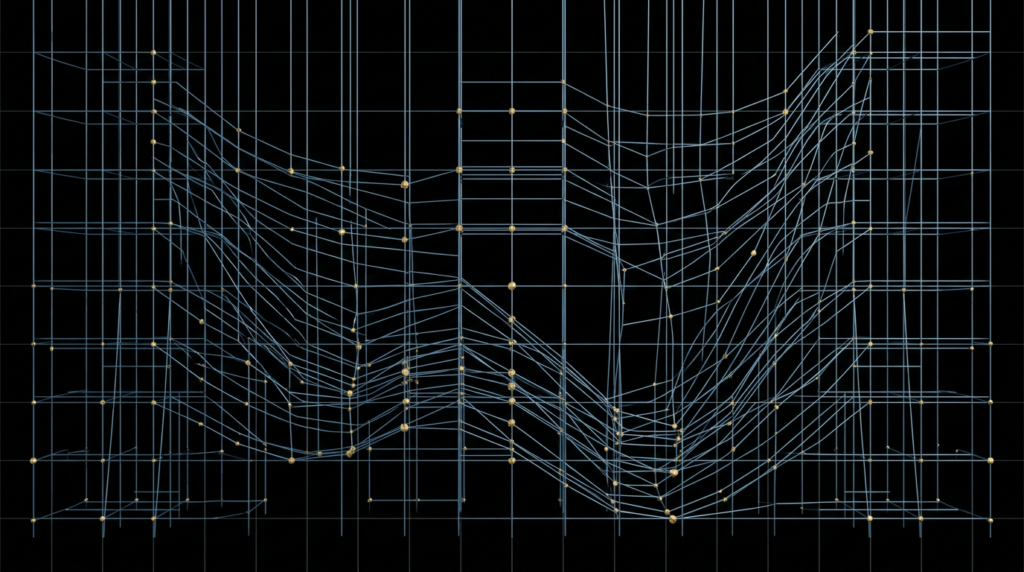
A team member who underperforms in your current environment thrives after moving to another team. The person didn’t change. The architecture did. When a team underperforms and every instinct says it’s a people problem, what’s actually happening is a design failure that makes capable people look incapable — and the leader’s own competence is usually the Load-Bearing Person™ preventing the design failure from being exposed. The structure isn’t failing visibly because you’re holding it up. And holding it up is what’s preventing it from being fixed.
Design Defines Behavior
Bad frameworks create bad outcomes. Not bad people. When decisions converge on one person, everyone else stops developing judgment. When ownership is ambiguous, the most conscientious person absorbs everything while others disengage. When escalation is easier than resolution, the team learns to escalate rather than solve.
None of these are character flaws. They are behavioral responses to environmental conditions. Put the same people in a well-designed operation and their performance changes — not because they suddenly became more capable, but because the architecture started requiring it.
You’ve seen this yourself. A team member who underperforms in your current environment thrives after moving to another team. The person didn’t change. The framework did. That’s not coincidence. That’s the design proving itself — first by limiting someone, then by releasing them.
When a team underperforms, the question isn’t “who needs to improve?” It’s “what about this arrangement is producing the underperformance?”
How Architecture Produces Dependency
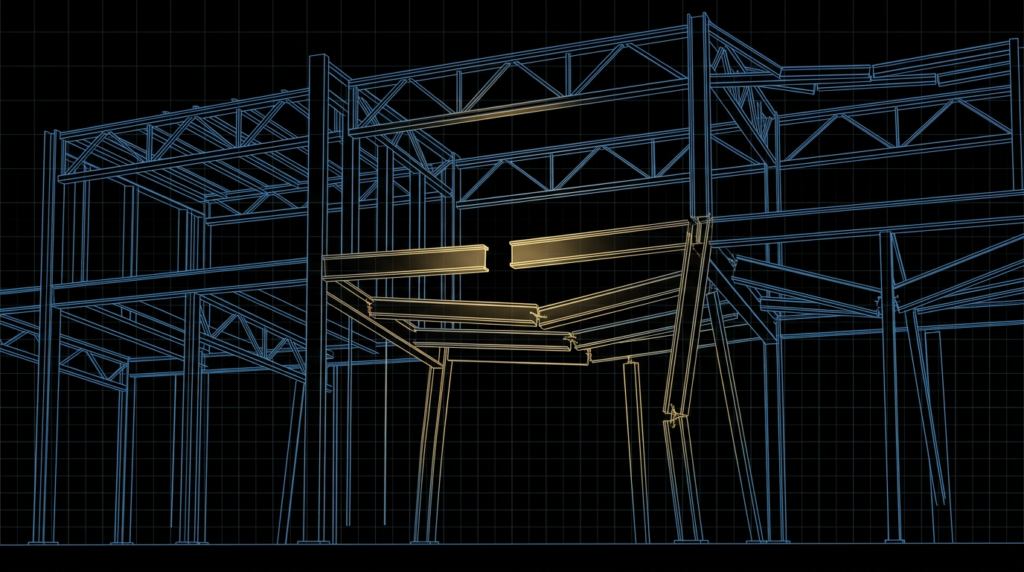
When one person becomes the operational center — the decision-maker, the quality checkpoint, the conflict resolver — the team doesn’t develop those capacities independently. Why would they? The architecture never requires it.
This is the mechanism that produces the appearance of underperformance. Team members aren’t failing to step up. They’re operating inside a design that doesn’t ask them to. Every time you make the call, you communicate that the call isn’t theirs to make. Every time you intervene, you reinforce that intervention is the expected workflow. Every time you catch the error, you prevent the learning event that would have built their capacity to catch it themselves.
The team’s underperformance isn’t a capability problem. It’s a Structural Debt™ problem: the accumulated cost of design decisions that were never made at the structural level, absorbed instead by the person willing to carry them. You are carrying design debt on behalf of the organization, presenting it as personal contribution, and the team’s development is the casualty.
↳ Your team doesn’t need a better leader. It needs a framework that doesn’t require one person to hold it together.
The Compounding Cost
This is the same dynamic that shows up when the Reliability Tax™ stops being about tasks and starts being about organizational capacity: your effectiveness at the center prevents the operation from developing effectiveness at the edges. Every decision you make that should have been made by someone else is a developmental debt being written against that person’s future. And developmental debt compounds the same way all Structural Debt™ does — silently, until the cost of not having built the capability exceeds the cost of having intervened.
Download the Urgency Reset Framework™ → HiddenCostOfSuccess.com/free/
In six months, the team will be more dependent, not less. In a year, the design failure will be embedded so deeply that restructuring means rebuilding from scratch. In two years, the best people — the ones who could have developed — will have left for environments that actually required their growth. What remains is a team shaped by the architecture you maintained, not the architecture you intended. And the cost of that gap widens every quarter you delay the correction. The clock isn’t ticking. It’s compounding.
WHAT TO DO WITH THIS If this feels familiar, you’re likely dealing with misallocated responsibility — not a time problem. You can start to see it more clearly using the Urgency Reset Framework™.
Download the Urgency Reset Framework™ → HiddenCostOfSuccess.com/free/
Part of the mechanism: Responsibility Drift.